
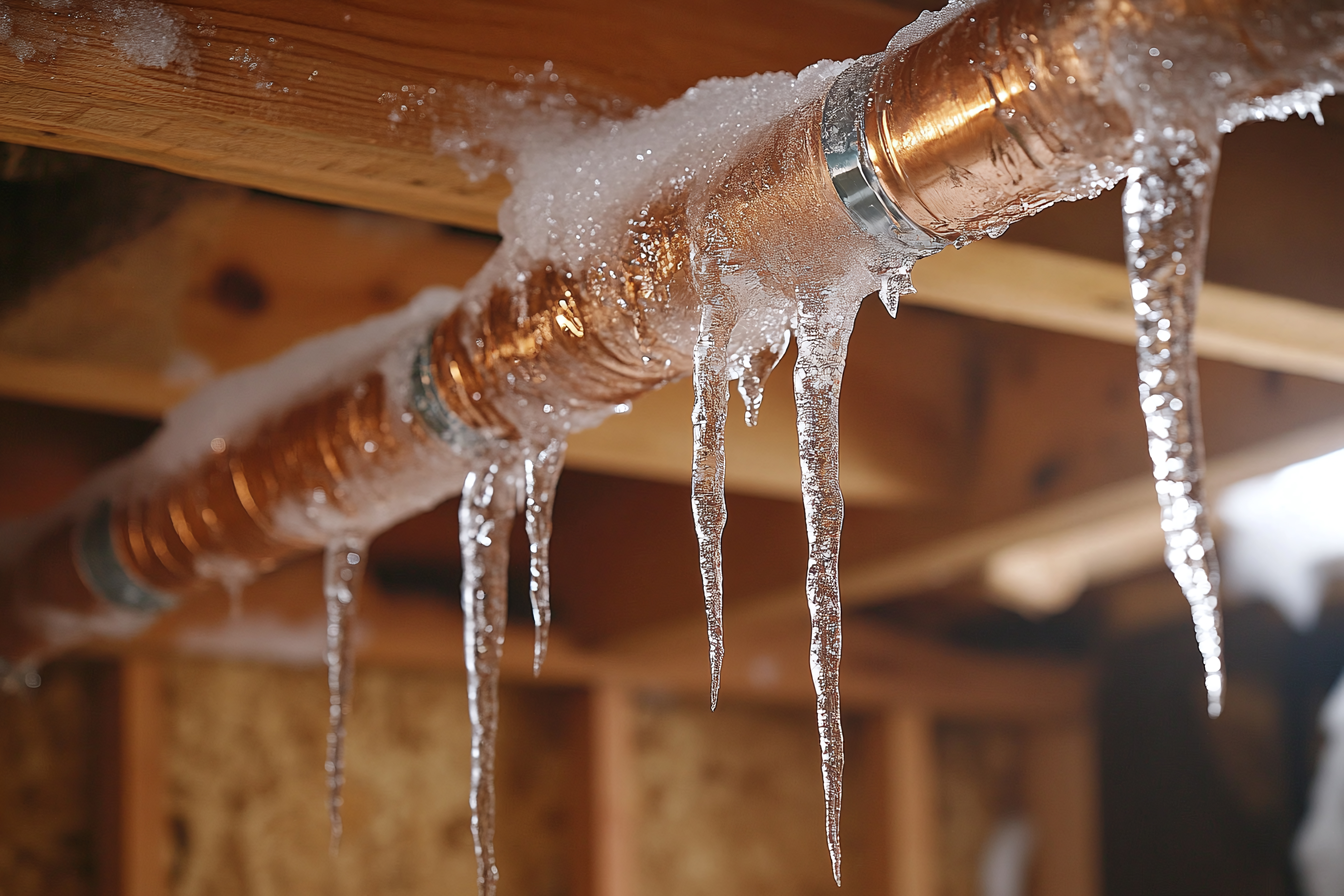
How to Prevent Frozen Pipes in Winter
Frozen pipes can be a major headache for tenants and landlords alike. A burst pipe can cause extensive water damage, disrupt your home, and lead to costly repairs. Fortunately, with a few simple precautions, tenants can significantly reduce the risk of frozen pipes during cold weather.
Here’s what every renter should know:
1. Keep the Heat On
- Maintain a consistent indoor temperature, even when you’re away.
- Set your thermostat no lower than 55°F during the winter months to protect pipes from freezing.
2. Insulate Vulnerable Pipes
- Pipes in unheated areas like basements, attics, garages, and crawl spaces are especially at risk.
- Use foam pipe insulation sleeves or heat tape to protect these pipes.
- Check with your landlord if they’ve provided insulation or if additional measures are allowed.
3. Let Faucets Drip
- During extremely cold weather, allow a slow trickle of water from faucets connected to vulnerable pipes.
- Flowing water—even a small amount—reduces the chance of pipes freezing.
4. Open Cabinet Doors
- Pipes under sinks and near exterior walls can benefit from extra warmth.
- Opening cabinet doors in kitchens and bathrooms allows warm air to circulate around these pipes.
5. Seal Drafts and Gaps
- Check for drafts around windows, doors, and where pipes enter walls.
- Use weather stripping or caulk to prevent cold air from reaching pipes.
- Ask your landlord if there are gaps or holes in exterior walls that need attention.
6. Know How to Act If Pipes Freeze
- If you notice reduced water flow or frost on pipes, report it immediately to your landlord or property management.
- Avoid using open flames or direct heat sources like torches to thaw pipes.
- A hair dryer or warm towels can safely thaw frozen pipes in a controlled way.
7. Communicate Early
- Tenants who report maintenance concerns early—such as drafty areas, broken insulation, or HVAC issues—help prevent small problems from escalating.
- Early reporting can save both tenants and landlords from major water damage and repair costs.
Final Thoughts
Preventing frozen pipes is easier than fixing a burst pipe. By maintaining heat, insulating pipes, and reporting issues early, tenants can protect the rental unit and avoid disruptions during the cold months.
If you notice a potential risk for frozen pipes or need guidance on winter prep, contact us immediately:
📞 703-537-3340
📧 hello@mcepm.com